Epistemic Pluralism
Official records, independent reporting, witness claims, leaked fragments, and public debate belong in view together. SpyVault widens the frame instead of deciding in advance which sources are respectable enough to count.
SpyVault brings public archives, competing claims, and community inquiry into one place so regular people can investigate without surrendering judgment to institutions, influencers, or gatekeepers.
This is a home for workers, parents, students, researchers, and friends who want to read deeper, compare sources honestly, and talk through what the evidence does and does not support.
Paid memberships and donations help bring more public records online, improve source tracing, and keep the work accessible to people outside the usual institutional class.
Start with the records already live, then grow with new releases, larger archive drops, and deeper community-led review.
SpyVault is not a conspiracy site, a mainstream aggregator, or a sanitized institutional portal. It is an open-intelligence environment built to widen the source base, equalize scrutiny, and leave judgment in the hands of the user.
Official records, independent reporting, witness claims, leaked fragments, and public debate belong in view together. SpyVault widens the frame instead of deciding in advance which sources are respectable enough to count.
Government statements and outsider theories face the same test here: sources, corroboration, chronology, contradictions, and track record. No free passes for prestige. No free passes for rebellion either.
SpyVault is built to illuminate, not instruct. We help people compare the record, trace claims back to evidence, and change their minds without shame when the facts demand it.
The platform should feel open enough for someone coming in after work and rigorous enough for someone deep in an archive trail. People do not need to perform expertise to begin investigating honestly.
You do not need a clearance, a graduate seminar, or a media badge to work a document trail. If you can read, compare, question, and stay honest, you belong here.
The experience should feel human: a place where blue-collar workers, parents, students, and seasoned researchers can learn, talk, and investigate without being talked down to.
SpyVault should feel alive and culturally awake, not corporate or bureaucratic. The warmth is part of the point. The rigor is non-negotiable.
SpyVault is designed to help people inspect contested records, socialize findings, and keep the argument tethered to evidence.
Move through public archives, declassified records, source notes, and community discussion without losing the thread.
Put official explanations and independent theories in the same workspace so differences stay visible instead of getting buried.
Use the AI copilot as a guide to source material, not as a substitute for the record itself.
Save clips, notes, timelines, and findings in a workspace you control so your judgment can mature over time.
Not because every official claim is false, but because intelligence agencies and federal institutions have documented histories of concealment, manipulation, and selective disclosure. When that is true, the public needs access to more than one channel of interpretation.
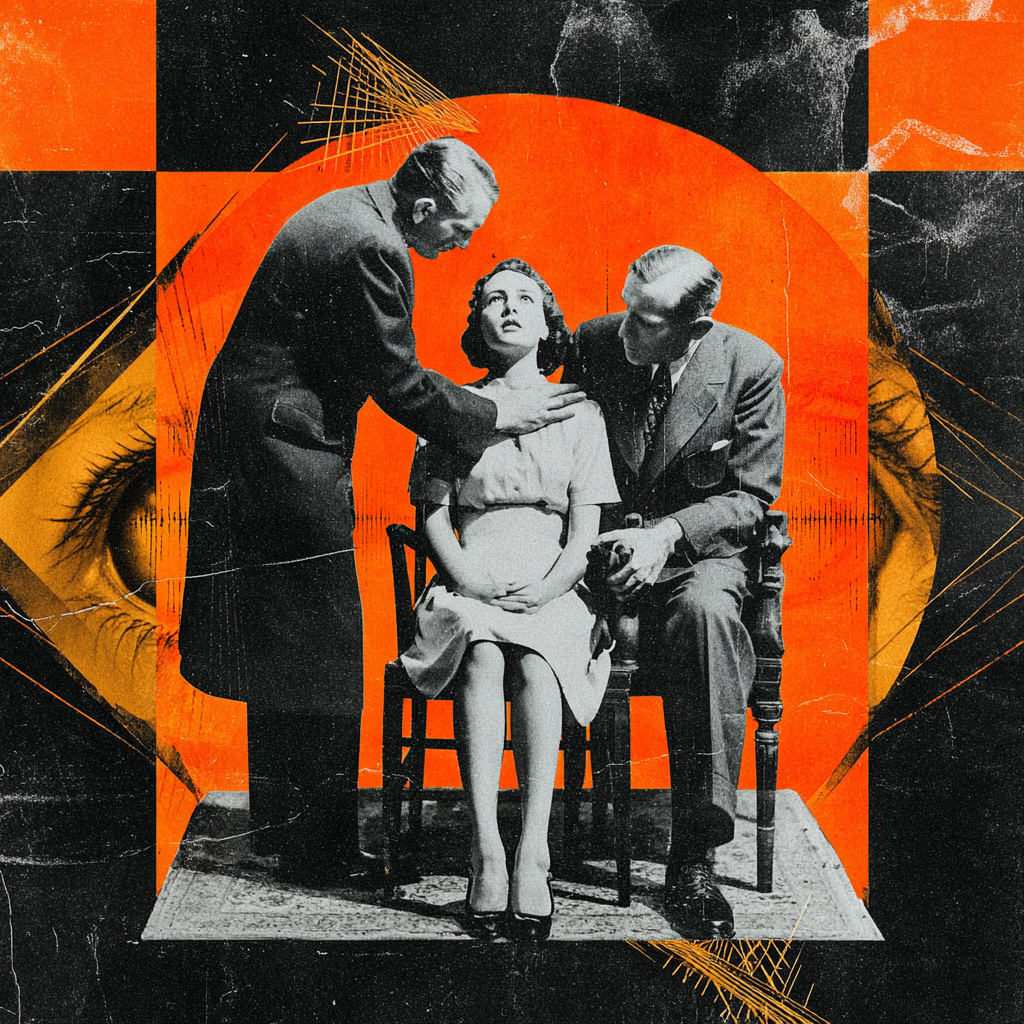
The CIA ran abusive mind-control experiments and then made the record harder to uncover.
Many MKUltra files were destroyed in 1973, and more records surfaced only later during deeper searches, which meant the public and investigators were denied a full accounting for years.
The program used unwitting human subjects and behavior-control experiments that violated basic ethical standards and showed contempt for informed consent.
If an institution can destroy or miss key records, its later summary should never be the only thing people get to see.
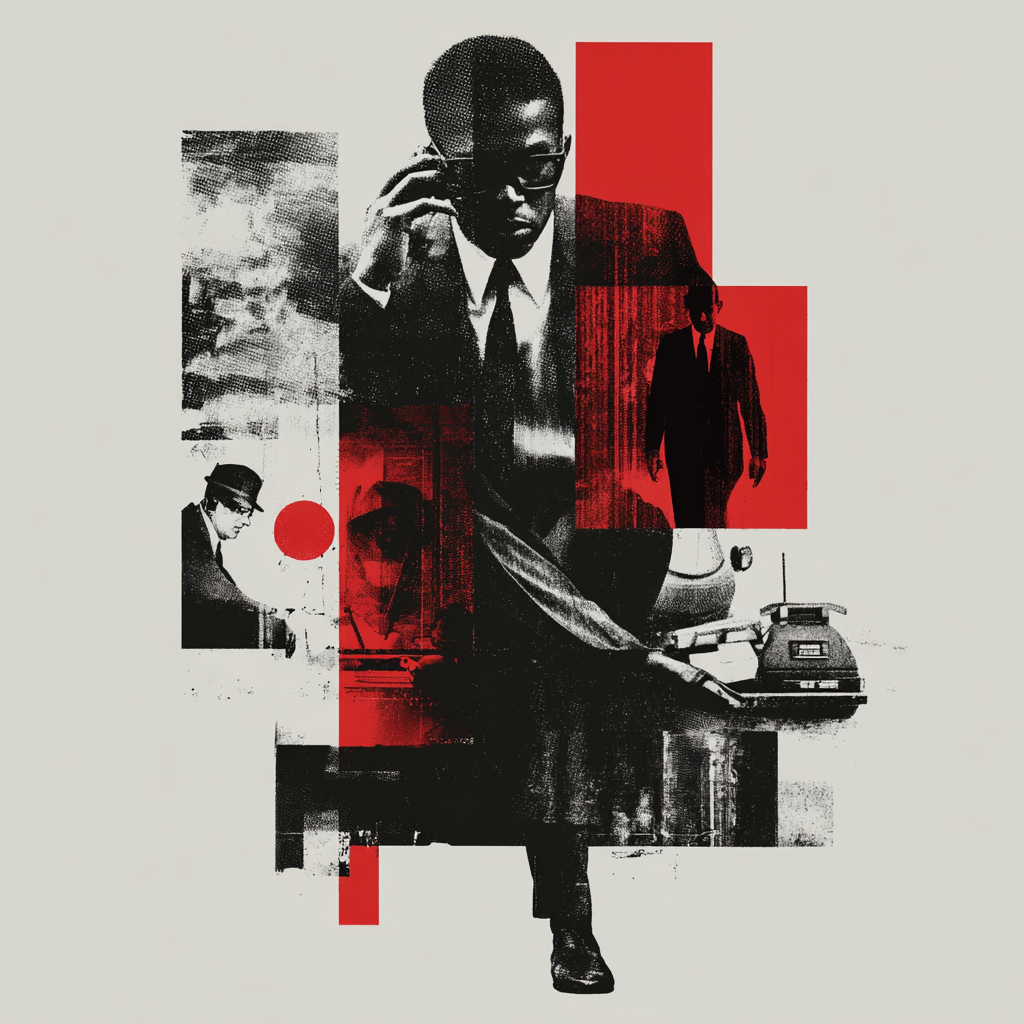
The FBI secretly manipulated Americans instead of policing within honest legal limits.
COINTELPRO relied on hidden interference, anonymous letters, smear tactics, and covert disruption, so the public could not see what the Bureau was actually doing in its name.
Targeting domestic groups for disruption and discrediting crossed major civil-liberties and ethical lines, especially when political speech and association were involved.
When agencies have used covert manipulation against the public, independent documentation and outside review are not optional extras. They are part of the truth-finding process.

Critical doubts were downplayed around an event that helped justify a war.
NSA's own declassified history says internal doubts about the alleged second attack were not publicized or were downplayed, and that choices were made about what to release and what to hold back.
When uncertainty is muted around a war-shaping event, leaders and citizens are pushed toward massive consequences without an honest picture of the evidence.
Even war-shaping events can arrive through filtered institutional narratives. Source plurality matters most when the stakes are highest.
Source diversity is not noise to filter out. It is part of how citizens defend themselves against incomplete narratives, prestige laundering, and institutional memory holes. SpyVault exists to make that comparison work easier, clearer, and more social.
These are the opening archive lanes. They are not the whole identity of the platform, but they show the kind of material SpyVault is designed to hold and examine.

A live research track for major public releases, declassification waves, and the long chain of claims that orbit them.

A core archive track centered on one of the clearest historical cases for maintaining skepticism toward institutional storytelling.
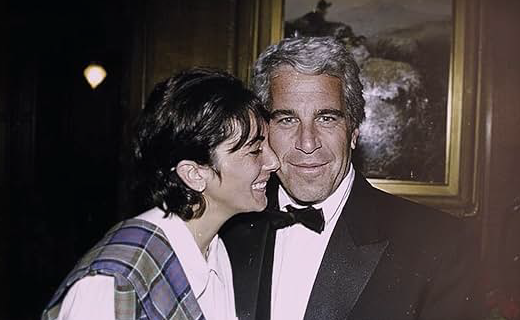
A large-scale archive effort where the size of the record matters almost as much as the controversy around it.
Donations and memberships are not the mission. They are the fuel. They help move public releases from raw document piles into something ordinary people can actually work with.